
The cleanest growth hormone releaser — no hunger, no cortisol spikes.
In-Vitro Reference: Specimen compounds are manufactured for specialized laboratory assay experiments, receptor-affinity profiling, and cellular pathways testing only. Unapproved for clinical dosage formulations.
This lyophilized powder must be reconstituted prior to assay work. If you do not have sterile bacteriostatic water, ensure to bundle it in your cart drawer.
Single Box Price
A Pack of 10 Vials costs the same as 4 individual vials (€156.00). By choosing the Pack of 10, you get 6 extra vials free and save €251.00.
Dispatched from our Portugal distribution hub. Every package has a 0% customs risk within the EU. In the extremely rare event of a transit issue, loss, or delay, we will reship your order free of charge.
Express Shipping to European Union 🇪🇺EU-to-EU Only
Order now to receive by Jul 30 - Aug 3
In terms of efficacy, ipamorelin has similar or higher potency compared to GHRP-6 in various animal models, but it stands out due to its unique lack of effect on other hormones such as prolactin, follicle stimulating hormone (FSH), luteinizing hormone (LH), PRL, and thyroid stimulating hormone (TSH). This makes ipamorelin a promising candidate for further clinical development as it provides targeted GH release without the additional stress response typically associated with other GH secretagogues. Ipamorelin was originally developed by company Novo Nordisk, and was investigated in phase II clinical trials by Helsinn Therapeutics for treatment of postoperative ileus.
[1]
Ipamorelin has shown promising effects in counteracting the catabolic impacts of glucocorticoids (GC) on muscle strength and bone formation in adult rats. In a study involving 8-month-old female rats injected with methylprednisolone (GC), the combination treatment with Ipamorelin significantly increased muscle strength and periosteal bone formation. Specifically, the maximum tetanic tension of the calf muscles was higher, and the bone formation rate was four times greater in rats treated with both GC and Ipamorelin compared to those injected with GC alone. This finding suggests that Ipamorelin can mitigate the negative effects of glucocorticoids on muscle and bone, providing a therapeutic avenue to maintain skeletal muscle function and bone formation during GC treatment.
[2]
In a related study, Ipamorelin and GHRP-6 were evaluated for their effects on bone mineral content (BMC) in young adult female rats. The research indicated that both GHS compounds increased body weight and total tibial and vertebral BMC measured by dual X-ray absorptiometry (DXA). However, total BMC, when adjusted for body weight, remained unchanged. The increased bone formation was attributed to larger bone dimensions and increased cortical cross-sectional area, as determined by in vitro measurements with peripheral quantitative computed tomography (pQCT) and Archimedes' principle. Although cortical volumetric bone mineral density (BMD) and mineral concentration remained unchanged, the findings suggest that GHS treatments can lead to an increase in bone size without necessarily impacting bone density. These studies point to the potential benefits of Ipamorelin and other GHS compounds in supporting bone health and countering muscle and bone degradation.
[3]
Given that glucocorticoids often lead to muscle wasting, the potential of GH and its secretagogues to reduce catabolic effects is crucial. The ability of ipamorelin to decrease nitrogen wasting and improve organ nitrogen content in rats treated with prednisolone suggests that it may serve as effective treatments to prevent muscle atrophy and other catabolic effects in patients requiring steroid therapy. By counteracting muscle loss and maintaining nitrogen balance, these substances could provide significant clinical benefits, helping to manage the adverse side effects of glucocorticoid treatment and enhancing patient outcomes.
Growth hormone (GH) and growth hormone secretagogues like ipamorelin have been shown to mitigate the catabolic effects of glucocorticoids on nitrogen balance and urea synthesis in the liver. In a study involving rats, prednisolone, a glucocorticoid, was found to increase the hepatic capacity for urea-N synthesis (CUNS) and elevate the expression of urea cycle genes, which contributes to nitrogen loss. This treatment also led to a decrease in nitrogen balance and reduced nitrogen content in various organs. However, co-administration of GH reduced CUNS by 33%, normalized urea cycle gene expression, and improved nitrogen balance by 2.5 times. Similarly, ipamorelin decreased CUNS by 20%, reduced the expression of urea cycle enzymes, and improved nitrogen balance, albeit less efficiently than GH.
[4]
Ipamorelin has shown to stimulate insulin release from the pancreas of both normal and diabetic rats. In a study investigating the mechanism of this effect, researchers used pancreatic tissue fragments from normal and diabetic rats. The results indicated that ipamorelin evoked significant increases in insulin secretion at varying concentrations. This insulin-stimulating effect could be inhibited by different agents such as diltiazem, yohimbine, propranolol, or a combination of atropine, propranolol, and yohimbine. Interestingly, atropine caused a significant reduction in ipamorelin-induced insulin secretion in diabetic but not in normal rats.
The implications of these results are particularly relevant for understanding the treatment of diabetes. The ability of ipamorelin to potentiate insulin release suggests that this compound could play a role in developing new therapies for diabetes mellitus, particularly type 2 diabetes, where insulin secretion is impaired. Further research on ipamorelin's interaction with the calcium channels and adrenergic receptors in the pancreas could lead to novel therapeutic approaches to enhance insulin secretion and manage glucose levels in diabetic patients. This study lays the groundwork for exploring ipamorelin's potential in this field.
[5]
Postoperative ileus (POI) is a significant complication following certain types of surgery, especially after bowel resection. It is characterized by delayed gastrointestinal motility, leading to increased hospital stay and longer recovery times. This condition is marked by abdominal discomfort, bloating, and an inability to tolerate oral nutrition. Recent studies have explored the potential of ipamorelin, a ghrelin receptor agonist, in accelerating gastrointestinal recovery in patients with POI.
Proof-of-concept clinical trials have assessed the safety and efficacy of ipamorelin in reducing POI symptoms. In a randomized controlled study, intravenous administration of ipamorelin was evaluated in patients undergoing abdominal surgery. Results suggested that ipamorelin reduced the time to first tolerated meal by approximately 7 hours, compared to placebo. However, the results were not statistically significant, indicating limited efficacy, and need of more specific research.
[6], [7]
The ghrelin receptor is overexpressed in various conditions like human carcinoma and heart failure, making it a potential target for disease diagnosis and staging. Researchers have been exploring the use of positron emission tomography (PET) imaging to detect ghrelin receptor activity. Recent work has focused on the development of PET probes from peptidic and peptidomimetic derivatives of growth hormone secretagogues (GHSs). This opens up new possibilities for tracking ghrelin receptor activity in different diseases, and ipamorelin is able to bind ghrelin receptors very strongly.
[8]
K. Raun et al., “Ipamorelin, the first selective growth hormone secretagogue,” Eur. J. Endocrinol., vol. 139, no. 5, pp. 552–561, Nov. 1998. [PubMed]
N. B. Andersen, K. Malmlöf, P. B. Johansen, T. T. Andreassen, G. Ørtoft, and H. Oxlund, “The growth hormone secretagogue ipamorelin counteracts glucocorticoid-induced decrease in bone formation of adult rats,” Growth Horm. IGF Res. Off. J. Growth Horm. Res. Soc. Int. IGF Res. Soc., vol. 11, no. 5, pp. 266–272, Oct. 2001. [PubMed]
J. Svensson et al., “The GH secretagogues ipamorelin and GH-releasing peptide-6 increase bone mineral content in adult female rats,” J. Endocrinol., vol. 165, no. 3, pp. 569–577, Jun. 2000. [PubMed]
N. K. Aagaard et al., “Growth hormone and growth hormone secretagogue effects on nitrogen balance and urea synthesis in steroid treated rats,” Growth Horm. IGF Res. Off. J. Growth Horm. Res. Soc. Int. IGF Res. Soc., vol. 19, no. 5, pp. 426–431, Oct. 2009. [PubMed]
E. Adeghate and A. S. Ponery, “Mechanism of ipamorelin-evoked insulin release from the pancreas of normal and diabetic rats,” Neuro Endocrinol. Lett., vol. 25, no. 6, pp. 403–406, Dec. 2004. [PubMed]
D. E. Beck, W. B. Sweeney, M. D. McCarter, and Ipamorelin 201 Study Group, “Prospective, randomized, controlled, proof-of-concept study of the Ghrelin mimetic ipamorelin for the management of postoperative ileus in bowel resection patients,” Int. J. Colorectal Dis., vol. 29, no. 12, pp. 1527–1534, Dec. 2014. [PubMed]
3rd party test results
200mcg - 300mcg injected 1-3 times daily (fasted). 5 days on, 2 days off.
Suggested Usage: 200mcg - 300mcg injected 1-3 times daily (fasted). 5 days on, 2 days off.
Estimated Delivery
2–4 Business Days
Free Premium EU Shipping
Assay Prep Method
Lyophilized Unit
Reconstitute with Sterile Water
Peptide Formulation
Pure Freeze-Dried Powder
Vacuum Sealed Inert gas vial
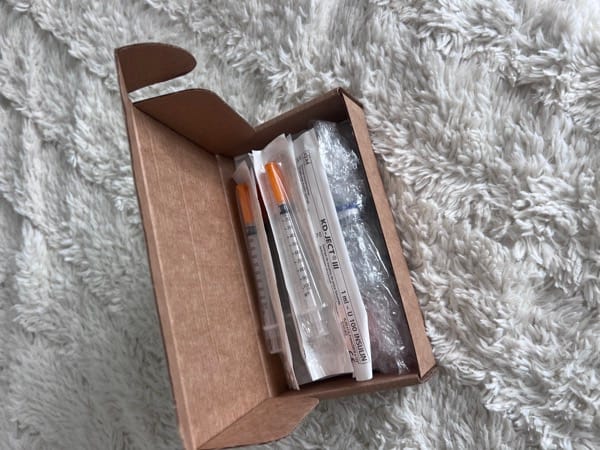
Every shipment comes with all necessary sterile instruments and instructional reference protocols.
Standard borosilicate vials each containing pure freeze-dried cake (5 mg/vial).
Vials are sealed under high-vacuum inert gas atmosphere to prevent oxidation.
Aseptic preparation booklet, dose increments, and cold chain handling guides.
Packed in thermal foil with cold gel packs to maintain refrigeration during transit.
A side-by-side comparison of ApexFlow (MDL) against standard market alternatives.
| Research Factor | MDL Lyophilized Vials | Standard Chinese/Generic Vials |
|---|---|---|
| Purity & Quality | ✅ 99.4%+ HPLC Verified. Every single batch is independently tested with accessible COA. | ❌ Unverified purity. Frequently underdosed, degraded, or contains synthesis impurities. |
| Delivery & Customs | ✅ Shipped from Portugal. 0% customs risk within EU. 100% arrival rate or free reshipment. | ❌ Shipped from China/US. High risk of customs seizure, long shipping delays, no refund. |
| Ease of Use | ✅ High-vacuum sealed cake. Rapidly reconstitutes in <30s. Zero residues. | ❌ Loose powder cakes with moisture contamination. Hard to dissolve, forms foam/clumps. |
| Safety & Integrity | ✅ Sealed under inert gas. Insulated cold-wrap transport. 100% sterile manufacturing. | ❌ Loose vial rubber stoppers. Exposed to excessive heat in cargo holds, degrading potency. |
99%+ Purity
HPLC Verified
3rd Party Tested
COA Available
Discreet Packaging
Sealed & Secure
Free EU Shipping
2–4 Business Days
Follow these standard laboratory protocols for handling the lyophilized peptide vial.
Clean your hands, then wipe down the rubber stoppers of both the peptide vial and the sterile Bacteriostatic Water vial.
Draw 1-2ml of Bacteriostatic Water. Direct the needle at an angle down the glass wall so the water slowly slides down without foaming.
Swirl the vial in slow, circular motions until the lyophilized powder completely dissolves. Never shake, to protect peptide chains.
Store the reconstituted solution in the refrigerator at 2–8°C. For maximum stability and assay integrity, use within 28 days.
Every shipment is optimized for compound stability and absolute researcher privacy.
Vials are batch-tested via HPLC/MS. They are vacuum sealed under inert gas and wrapped in protective thermal insulating layers to maintain structural stability.
Orders are packed in robust, plain cardboard boxes. There is no mention of 'peptides', 'lab', or chemical terms on the outside for absolute confidentiality.
Dispatched from our Portugal distribution hub. Fully tracked express delivery across the EU with zero customs holds and 100% arrival rate.
I switched to Retatrutide and the appetite suppression is on another level. Dropped the stubborn weight I couldn't lose before.
I've tried other vendors for peptides but the quality here is top tier. Shipping was fast and the product is perfectly clear.
"Unbelievable shipping speed to Europe. The vials were packaged with extreme care. Purity is clear and absolutely pristine."
The energy levels and fat loss I've experienced on this are incredible. Far better results than I had with Tirzepatide.
This peptide broke my 6-month weight loss plateau. I have zero food noise and feel amazing all day long.

"My package arrived in Germany just 3 days after ordering. The vials are vacuum sealed and protected with thick bubble wrap. Reconstitutes crystal clear."
Very impressed with the shipping speed and the product quality. The metabolic benefits were noticeable almost immediately.
I switched to Retatrutide and the appetite suppression is on another level. Dropped the stubborn weight I couldn't lose before.
I've tried other vendors for peptides but the quality here is top tier. Shipping was fast and the product is perfectly clear.
"Unbelievable shipping speed to Europe. The vials were packaged with extreme care. Purity is clear and absolutely pristine."
The energy levels and fat loss I've experienced on this are incredible. Far better results than I had with Tirzepatide.
This peptide broke my 6-month weight loss plateau. I have zero food noise and feel amazing all day long.
"My package arrived in Germany just 3 days after ordering. The vials are vacuum sealed and protected with thick bubble wrap. Reconstitutes crystal clear."
Very impressed with the shipping speed and the product quality. The metabolic benefits were noticeable almost immediately.
I switched to Retatrutide and the appetite suppression is on another level. Dropped the stubborn weight I couldn't lose before.
I've tried other vendors for peptides but the quality here is top tier. Shipping was fast and the product is perfectly clear.
"Unbelievable shipping speed to Europe. The vials were packaged with extreme care. Purity is clear and absolutely pristine."
The energy levels and fat loss I've experienced on this are incredible. Far better results than I had with Tirzepatide.
This peptide broke my 6-month weight loss plateau. I have zero food noise and feel amazing all day long.
"My package arrived in Germany just 3 days after ordering. The vials are vacuum sealed and protected with thick bubble wrap. Reconstitutes crystal clear."
Very impressed with the shipping speed and the product quality. The metabolic benefits were noticeable almost immediately.
"I switched to Retatrutide and the appetite suppression is on another level. Dropped the stubborn weight I couldn't lose before."
"I've tried other vendors for peptides but the quality here is top tier. Shipping was fast and the product is perfectly clear."
"Unbelievable shipping speed to Europe. The vials were packaged with extreme care. Purity is clear and absolutely pristine."
In terms of efficacy, ipamorelin has similar or higher potency compared to GHRP-6 in various animal models, but it stands out due to its unique lack of effect on other hormones such as prolactin, follicle stimulating hormone (FSH), luteinizing hormone (LH), PRL, and thyroid stimulating hormone (TSH). This makes ipamorelin a promising candidate for further clinical development as it provides targeted GH release without the additional stress response typically associated with other GH secretagogues. Ipamorelin was originally developed by company Novo Nordisk, and was investigated in phase II clinical trials by Helsinn Therapeutics for treatment of postoperative ileus.
[1]
Ipamorelin has shown promising effects in counteracting the catabolic impacts of glucocorticoids (GC) on muscle strength and bone formation in adult rats. In a study involving 8-month-old female rats injected with methylprednisolone (GC), the combination treatment with Ipamorelin significantly increased muscle strength and periosteal bone formation. Specifically, the maximum tetanic tension of the calf muscles was higher, and the bone formation rate was four times greater in rats treated with both GC and Ipamorelin compared to those injected with GC alone. This finding suggests that Ipamorelin can mitigate the negative effects of glucocorticoids on muscle and bone, providing a therapeutic avenue to maintain skeletal muscle function and bone formation during GC treatment.
[2]
In a related study, Ipamorelin and GHRP-6 were evaluated for their effects on bone mineral content (BMC) in young adult female rats. The research indicated that both GHS compounds increased body weight and total tibial and vertebral BMC measured by dual X-ray absorptiometry (DXA). However, total BMC, when adjusted for body weight, remained unchanged. The increased bone formation was attributed to larger bone dimensions and increased cortical cross-sectional area, as determined by in vitro measurements with peripheral quantitative computed tomography (pQCT) and Archimedes' principle. Although cortical volumetric bone mineral density (BMD) and mineral concentration remained unchanged, the findings suggest that GHS treatments can lead to an increase in bone size without necessarily impacting bone density. These studies point to the potential benefits of Ipamorelin and other GHS compounds in supporting bone health and countering muscle and bone degradation.
[3]
Given that glucocorticoids often lead to muscle wasting, the potential of GH and its secretagogues to reduce catabolic effects is crucial. The ability of ipamorelin to decrease nitrogen wasting and improve organ nitrogen content in rats treated with prednisolone suggests that it may serve as effective treatments to prevent muscle atrophy and other catabolic effects in patients requiring steroid therapy. By counteracting muscle loss and maintaining nitrogen balance, these substances could provide significant clinical benefits, helping to manage the adverse side effects of glucocorticoid treatment and enhancing patient outcomes.
Growth hormone (GH) and growth hormone secretagogues like ipamorelin have been shown to mitigate the catabolic effects of glucocorticoids on nitrogen balance and urea synthesis in the liver. In a study involving rats, prednisolone, a glucocorticoid, was found to increase the hepatic capacity for urea-N synthesis (CUNS) and elevate the expression of urea cycle genes, which contributes to nitrogen loss. This treatment also led to a decrease in nitrogen balance and reduced nitrogen content in various organs. However, co-administration of GH reduced CUNS by 33%, normalized urea cycle gene expression, and improved nitrogen balance by 2.5 times. Similarly, ipamorelin decreased CUNS by 20%, reduced the expression of urea cycle enzymes, and improved nitrogen balance, albeit less efficiently than GH.
[4]
Ipamorelin has shown to stimulate insulin release from the pancreas of both normal and diabetic rats. In a study investigating the mechanism of this effect, researchers used pancreatic tissue fragments from normal and diabetic rats. The results indicated that ipamorelin evoked significant increases in insulin secretion at varying concentrations. This insulin-stimulating effect could be inhibited by different agents such as diltiazem, yohimbine, propranolol, or a combination of atropine, propranolol, and yohimbine. Interestingly, atropine caused a significant reduction in ipamorelin-induced insulin secretion in diabetic but not in normal rats.
The implications of these results are particularly relevant for understanding the treatment of diabetes. The ability of ipamorelin to potentiate insulin release suggests that this compound could play a role in developing new therapies for diabetes mellitus, particularly type 2 diabetes, where insulin secretion is impaired. Further research on ipamorelin's interaction with the calcium channels and adrenergic receptors in the pancreas could lead to novel therapeutic approaches to enhance insulin secretion and manage glucose levels in diabetic patients. This study lays the groundwork for exploring ipamorelin's potential in this field.
[5]
Postoperative ileus (POI) is a significant complication following certain types of surgery, especially after bowel resection. It is characterized by delayed gastrointestinal motility, leading to increased hospital stay and longer recovery times. This condition is marked by abdominal discomfort, bloating, and an inability to tolerate oral nutrition. Recent studies have explored the potential of ipamorelin, a ghrelin receptor agonist, in accelerating gastrointestinal recovery in patients with POI.
Proof-of-concept clinical trials have assessed the safety and efficacy of ipamorelin in reducing POI symptoms. In a randomized controlled study, intravenous administration of ipamorelin was evaluated in patients undergoing abdominal surgery. Results suggested that ipamorelin reduced the time to first tolerated meal by approximately 7 hours, compared to placebo. However, the results were not statistically significant, indicating limited efficacy, and need of more specific research.
[6], [7]
The ghrelin receptor is overexpressed in various conditions like human carcinoma and heart failure, making it a potential target for disease diagnosis and staging. Researchers have been exploring the use of positron emission tomography (PET) imaging to detect ghrelin receptor activity. Recent work has focused on the development of PET probes from peptidic and peptidomimetic derivatives of growth hormone secretagogues (GHSs). This opens up new possibilities for tracking ghrelin receptor activity in different diseases, and ipamorelin is able to bind ghrelin receptors very strongly.
[8]
K. Raun et al., “Ipamorelin, the first selective growth hormone secretagogue,” Eur. J. Endocrinol., vol. 139, no. 5, pp. 552–561, Nov. 1998. [PubMed]
N. B. Andersen, K. Malmlöf, P. B. Johansen, T. T. Andreassen, G. Ørtoft, and H. Oxlund, “The growth hormone secretagogue ipamorelin counteracts glucocorticoid-induced decrease in bone formation of adult rats,” Growth Horm. IGF Res. Off. J. Growth Horm. Res. Soc. Int. IGF Res. Soc., vol. 11, no. 5, pp. 266–272, Oct. 2001. [PubMed]
J. Svensson et al., “The GH secretagogues ipamorelin and GH-releasing peptide-6 increase bone mineral content in adult female rats,” J. Endocrinol., vol. 165, no. 3, pp. 569–577, Jun. 2000. [PubMed]
N. K. Aagaard et al., “Growth hormone and growth hormone secretagogue effects on nitrogen balance and urea synthesis in steroid treated rats,” Growth Horm. IGF Res. Off. J. Growth Horm. Res. Soc. Int. IGF Res. Soc., vol. 19, no. 5, pp. 426–431, Oct. 2009. [PubMed]
E. Adeghate and A. S. Ponery, “Mechanism of ipamorelin-evoked insulin release from the pancreas of normal and diabetic rats,” Neuro Endocrinol. Lett., vol. 25, no. 6, pp. 403–406, Dec. 2004. [PubMed]
D. E. Beck, W. B. Sweeney, M. D. McCarter, and Ipamorelin 201 Study Group, “Prospective, randomized, controlled, proof-of-concept study of the Ghrelin mimetic ipamorelin for the management of postoperative ileus in bowel resection patients,” Int. J. Colorectal Dis., vol. 29, no. 12, pp. 1527–1534, Dec. 2014. [PubMed]
3rd party test results
Sterile bacteriostatic water for safe, multi-use peptide reconstitution.
The original blockbuster GLP-1 — proven, trusted, and highly effective.
Dual GIP/GLP-1 agonist — the most powerful fat-loss peptide on the market.