
Delta Sleep-Inducing Peptide for profound restorative rest.
In-Vitro Reference: Specimen compounds are manufactured for specialized laboratory assay experiments, receptor-affinity profiling, and cellular pathways testing only. Unapproved for clinical dosage formulations.
This lyophilized powder must be reconstituted prior to assay work. If you do not have sterile bacteriostatic water, ensure to bundle it in your cart drawer.
Single Box Price
A Pack of 10 Vials costs the same as 4 individual vials (€196.00). By choosing the Pack of 10, you get 6 extra vials free and save €331.00.
Dispatched from our Portugal distribution hub. Every package has a 0% customs risk within the EU. In the extremely rare event of a transit issue, loss, or delay, we will reship your order free of charge.
Express Shipping to European Union 🇪🇺EU-to-EU Only
Order now to receive by Jul 30 - Aug 3
This interesting neuropeptide gets its name from animal research, when it was found to be able to induce deep sleep in rabbits. However, science is particularly interested in it because of its many physiological, endocrine and modulatory effects, such as its ability to alter corticotropin levels, inhibit somatostatin secretion, normalize blood pressure, reduce stress, influence sleep rhythms, or chronic pain perception. It even appears that it could find future application in the treatment of depression or cancer. Studies have found that DSIP can be classified as peptide neuromodulator. By activating special receptors in hypothalamus and brainstem it can influence the regulation of the sleep cycle resulting in enhancing deep sleep and minimizing insomnia and anxiety.
The sleep inducing effects of DSIP were studied in numerous researches, which sometime were coming with different conclusions. The experts think that this problem may have arisen due to current testing methodologies where EEG measures of sedation are not based on natural but on pharmacological sedation. However, intravenous administration of synthetic DSIP in 6 middle-aged human chronic insomniacs with disturbed sleep brought very good results, as longer sleep, higher quality with fewer interruptions and slightly more REM sleep. Therefore, this study showed that DSIP can normalize human sleep regulation.
These perhaps most significant findings regarding DSIP have been confirmed in other studies, which have shown that DSIP improves sleep structure and efficiency, and reduces sleep latency in chronic insomnia compared to placebo. Thus, overall, polysomnographic studies indicate greater sleep efficiency with DSIP administration, it has probably not major therapeutic benefit on short-term treatment of chronic insomnia.
It is obvious, that the neuropeptide is definitely somehow related to sleep onset. Numerous subjective indicators from research on DSIP effects in humans suggest that the peptide does indeed promote sleep, inducing feelings of drowsiness, increasing sleep by 59% within a 130-min interval after the treatment, as compared to placebo, and shortening sleep onset as well. However, these subjective findings are contradicted by EEG analyses, which in contrast revealed no apparent sedation in the classic pharmacologic way. DSIP in humans can thus sustain natural sleep functions, and is well tolerated, with no obvious side effects observed.
[1] - [4]
Alternative options for the treatment of chronic pain are indeed of a very urgent medicine interest. A preclinical pilot study in human patients with chronic pain episodes found, that DSIP significantly reduced pain perception, also improved mood by reduction of depressive states, and that it may potentially benefit patients with physiological addiction on pain medications, as it helps to reduce withdrawal symptoms that occurs after discontinuation of long-term analgesic treatment. Experimental results showed a modulation interaction of DSIP with endogenous opioid-peptidergic systems and exogenous intracerebrally or systemically administered morphine and amphetamine. This encouraged the research for a possible action of the peptide in humans suffering from chronic pronounced pain episodes. 7 patients with migraine episodes and vasomotor headaches, chronic tinnitus and psychogenic pain attacks were studied, and after intravenous administration on 5 consecutive days followed by 5 injections every 48-72 h, DSIP lowered the pain levels of 6 out of 7 patients significantly.
Although both DSIPs and opioid drugs act on the same receptors in the CNS, as has been found in research in rat models, there is as yet no indication at all that the administration of DSIPs causes a similar addiction. These results show that DSIP produces an antinociceptive effect by acting at the supraspinal level. This effect is mediated via the opioid receptor, either directly or indirectly. DSIP may thus play an important role in pain regulation in the central nervous system.
[5], [6]
DSIP has been shown to restrict stress-induced changes in mitochondrial monoamine oxidase type A (MAO-A) and serotonin levels. Metabolic effects of DSIP under hypoxia stress were investigated in rats subjected to short-term hypoxic conditions. These findings led to the investigation of the mechanism by which DSIP may alter mitochondrial activity in a hypoxic environment, suggesting that the peptide could also have an effect on the course of depression. Given the strong link between sleep function and depressive states, this peptide, which appears to help regulate the sleep cycle, could also play a role in the onset of depression.
Patients suffering from major depression had reduced levels of immunoreactive DSIP compared to control subjects, as shown in cerebrospinal fluid (CSF) analysis. However, no one has yet conducted trials where they have attempted to treat depression by normalizing DSIP levels. Reduced CSF concentrations have been described in patients with schizophrenia. The peptide is associated with changes in the hypothalamic-pituitary-adrenal axis, and this may play role in suicidal patients with major depressive disorder with altered DSIP-like immunoreactivity levels. It seems, that DSIP passes the blood-brain barrier more easily than many other neuropeptides.
[8] - [11]
Neuromodulatory DSIP could help to compensate pathological metabolic damage in various animal species and humans, that is caused by oxygen deprivation in the body, preserving normal mitochondrial function and protecting tissue until proper blood flow is restored. That DSIP reverses stress-induced metabolic disturbances, was suggested by research conducted in rats. Thus, it can be hypothesized that the ability of DSIP to maintain efficiency of oxidative phosphorylation, even in the setting of hypoxia, could make the peptide a useful therapeutic agent for conditions such as stroke and heart attack in the future research.
DSIP could be a very potent antioxidant because it reduces free radical production by preserving normal mitochondrial function. The revealed capacity of DSIP to increase the efficiency of oxidative phosphorylation found in vitro experiments could contribute to understanding pronounced stress protective and antioxidant action of this peptide in vivo.
[7]
Peptide may further have a substantial benefit in the reduction and treatment of withdrawal symptoms from opiate and alcohol addictions, which has been supported by the results of studies in animals conducted by Tissot and the fact, that DSIP possesses an agonistic activity on opiate receptors. Complete disappearance or significant improvement of withdrawal symptoms was confirmed by 97% of alcohol-addicted patients and 87% of opiate-addicted patients in clinical study of 107 patients treated via DSIP. Anxiety, however, was slower to decrease, and opioid withdrawal required more DSIP injections over a longer period of time. Good was also the tolerance, except of few headaches reported.
[12], [13]
As a clinical study done in mice suggests, DSIP may have a better effect on cancer prevention or treatment than any vaccine or medicines tested till today. Treated female mice that were given DSIP from three months of age until they died, for 5 consecutive days each month, showed a 2.6-fold decrease in tumor development and a 22.6% lower frequency of chromosomal defects in the bone marrow cells; it did not influence mean life span; and it increased by 17.1% life span of the last 10% of the survivors and by 24.1% maximum life span in comparison with the control group.
DSIP is also being tested as an adjuvant against cancer. A recent study suggests that DSIP may correct or even prevent CNS changes that are side effects with chemotherapy. Children undergoing chemotherapy treatment are particularly vulnerable in this regard. These may include, for example, impaired motor control, behavioral changes such as depression and language problems. The selective effects of DSIP on the blood supply to the brain explain at least part of this effect. Indeed, DSIP and its alternative preparation Deltaran significantly increase blood supply during CNS stress such as chemotherapy or even ischemia. Rats with cerebral ischemia given Deltaran survived 100% of the time compared to 62% in the control sample. The study in mice also found that treatment with Deltaran significantly decreased total spontaneous tumor incidence (by 2.6-fold), mainly mammary carcinomas and leukemias as compared with the control group. This was by the way the first report on geroprotector and anticarcinogenic effect of DSIP-containing preparation Deltaran.
[14] - [16]
Where and how DSIP is synthesized is not yet known. The peptide's primary function may not ultimately be sleep at all, although it is most closely associated with sleep cycle regulation, because DSIP levels are the same in CNS tissues as in peripheral tissues, suggesting that the peptide may also be formed outside the CNS. It has several physiological effects, such as modification of heart rate, blood pressure, pain threshold and some lymphokine system functions.
Just as growth hormone regulates not only bone and muscle growth but has much broader functions, DSIP may be a hypothalamic hormone regulating more than just the sleep cycle. Thus, it seems that DSIP may indeed play a role in altering physiology in preparation of the body for sleep, as some of it effects occur before neurological and behavioral signs of sleep.
DSIP contributes to hypertrophy and hyperplasia in skeletal muscle by inhibiting somatostatin, a protein that is produced in muscle cells and acts on muscle growth. The inhibition of somatostatin by DSIP has been found by a separate study, thus leading to the speculation that this peptide might have larger and more universal functions regarding human physiology than just primary sleep promotion, for which the direct inhibitory effects of somatostatin are more than peculiar.
[17], [18]
“The influence of synthetic DSIP (delta-sleep-inducing-peptide) on disturbed human sleep | SpringerLink.” [Online]. Available: https://link.springer.com/article/10.1007%2FBF01971753. [Accessed: 25-Jun-2019].
“Effects of delta-sleep-inducing peptide on 24-hour sleep-wake behaviour in severe chronic insomnia. - PubMed - NCBI.” [Online]. Available: https://www.ncbi.nlm.nih.gov/pubmed/3622582. [Accessed: 25-Jun-2019].
“Effects of delta sleep-inducing peptide on sleep of chronic insomniac patients. A double-blind study. - PubMed - NCBI.” [Online]. Available: https://www.ncbi.nlm.nih.gov/pubmed/1299794. [Accessed: 25-Jun-2019].
“Acute and delayed effects of DSIP (delta sleep-inducing peptide) on human sleep behavior. - PubMed - NCBI.” [Online]. Available: https://www.ncbi.nlm.nih.gov/pubmed/6895513. [Accessed: 25-Jun-2019].
“Therapeutic effects of delta-sleep-inducing peptide (DSIP) in patients with chronic, pronounced pain episodes. A clinical pilot study. - PubMed - NCBI.” [Online]. Available: https://www.ncbi.nlm.nih.gov/pubmed/6548970. [Accessed: 25-Jun-2019].
“Potent antinociceptive effect of centrally administered delta-sleep-inducing peptide (DSIP). - PubMed - NCBI.” [Online]. Available: https://www.ncbi.nlm.nih.gov/pubmed/2853064. [Accessed: 25-Jun-2019].
“Delta sleep inducing peptide (DSIP): effect on respiration activity in rat brain mitochondria and stress protective potency under experimental hypo... - PubMed - NCBI.” [Online]. Available: https://www.ncbi.nlm.nih.gov/pubmed/12668217. [Accessed: 25-Jun-2019].
“Effects of delta-sleep inducing peptide (DSIP) and some analogues on the activity of monoamine oxidase type A in rat brain under hypoxia stress. - PubMed - NCBI.” [Online]. Available: https://www.ncbi.nlm.nih.gov/pubmed/7628639. [Accessed: 25-Jun-2019].
“Decreased concentrations of delta-sleep inducing peptide in plasma and cerebrospinal fluid from depressed patients: Nordisk Psykiatrisk Tidsskrift: Vol 39, No sup11.” [Online]. Available: https://www.tandfonline.com/doi/abs/10.3109/08039488509101959. [Accessed: 25-Jun-2019].
“Delta sleep-inducing peptide (DSIP): An overview of central actions and possible relationship to psychiatric illnesses: Nordisk Psykiatrisk Tidsskrift: Vol 42, No 2.” [Online]. Available: https://www.tandfonline.com/doi/abs/10.3109/08039488809103215. [Accessed: 25-Jun-2019].
“High delta sleep-inducing peptide-like immunoreactivity in plasma in suicidal patients with major depressive disorder. - PubMed - NCBI.” [Online]. Available: https://www.ncbi.nlm.nih.gov/pubmed/9606527. [Accessed: 25-Jun-2019].
“Opioid detoxification with delta sleep-inducing peptide: results of an open clinical trial. - PubMed - NCBI.” [Online]. Available: https://www.ncbi.nlm.nih.gov/pubmed/9617990. [Accessed: 25-Jun-2019].
“DSIP in the treatment of withdrawal syndromes from alcohol and opiates. - PubMed - NCBI.” [Online]. Available: https://www.ncbi.nlm.nih.gov/pubmed/6548969. [Accessed: 25-Jun-2019].
“Effect of delta-sleep inducing peptide-containing preparation Deltaran on biomarkers of aging, life span and spontaneous tumor incidence in female ... - PubMed - NCBI.” [Online]. Available: https://www.ncbi.nlm.nih.gov/pubmed/12782416. [Accessed: 25-Jun-2019].
A. B. Sinyukhin, G. P. Timoshinov, V. A. Kornilov, and P. D. Shabanov, “P.7.a.006 Delta sleep-inducing peptide analogue corrects the CNS functional state of children treated with antiblastomic therapy,” Eur. Neuropsychopharmacol., vol. 19, pp. S681–S682, Sep. 2009.
E. V. Koplik et al., “Delta sleep-inducing peptide and Deltaran: potential approaches to antistress protection,” Neurosci. Behav. Physiol., vol. 38, no. 9, pp. 953–957, Nov. 2008.
“DSIP--a tool for investigating the sleep onset mechanism: a review. - PubMed - NCBI.” [Online]. Available: https://www.ncbi.nlm.nih.gov/pubmed/3286557. [Accessed: 25-Jun-2019].
“[DSIP: the sleep peptide or an unknown hypothalamic hormone?]. - PubMed - NCBI.” [Online]. Available: https://www.ncbi.nlm.nih.gov/pubmed/7817664. [Accessed: 25-Jun-2019].
3rd party test results
Estimated Delivery
2–4 Business Days
Free Premium EU Shipping
Assay Prep Method
Lyophilized Unit
Reconstitute with Sterile Water
Peptide Formulation
Pure Freeze-Dried Powder
Vacuum Sealed Inert gas vial
Every shipment comes with all necessary sterile instruments and instructional reference protocols.
Standard borosilicate vials each containing pure freeze-dried cake (5 mg/vial).
Vials are sealed under high-vacuum inert gas atmosphere to prevent oxidation.
Aseptic preparation booklet, dose increments, and cold chain handling guides.
Packed in thermal foil with cold gel packs to maintain refrigeration during transit.
A side-by-side comparison of ApexFlow (MDL) against standard market alternatives.
| Research Factor | MDL Lyophilized Vials | Standard Chinese/Generic Vials |
|---|---|---|
| Purity & Quality | ✅ 99.4%+ HPLC Verified. Every single batch is independently tested with accessible COA. | ❌ Unverified purity. Frequently underdosed, degraded, or contains synthesis impurities. |
| Delivery & Customs | ✅ Shipped from Portugal. 0% customs risk within EU. 100% arrival rate or free reshipment. | ❌ Shipped from China/US. High risk of customs seizure, long shipping delays, no refund. |
| Ease of Use | ✅ High-vacuum sealed cake. Rapidly reconstitutes in <30s. Zero residues. | ❌ Loose powder cakes with moisture contamination. Hard to dissolve, forms foam/clumps. |
| Safety & Integrity | ✅ Sealed under inert gas. Insulated cold-wrap transport. 100% sterile manufacturing. | ❌ Loose vial rubber stoppers. Exposed to excessive heat in cargo holds, degrading potency. |
99%+ Purity
HPLC Verified
3rd Party Tested
COA Available
Discreet Packaging
Sealed & Secure
Free EU Shipping
2–4 Business Days
Follow these standard laboratory protocols for handling the lyophilized peptide vial.
Clean your hands, then wipe down the rubber stoppers of both the peptide vial and the sterile Bacteriostatic Water vial.
Draw 1-2ml of Bacteriostatic Water. Direct the needle at an angle down the glass wall so the water slowly slides down without foaming.
Swirl the vial in slow, circular motions until the lyophilized powder completely dissolves. Never shake, to protect peptide chains.
Store the reconstituted solution in the refrigerator at 2–8°C. For maximum stability and assay integrity, use within 28 days.
Every shipment is optimized for compound stability and absolute researcher privacy.
Vials are batch-tested via HPLC/MS. They are vacuum sealed under inert gas and wrapped in protective thermal insulating layers to maintain structural stability.
Orders are packed in robust, plain cardboard boxes. There is no mention of 'peptides', 'lab', or chemical terms on the outside for absolute confidentiality.
Dispatched from our Portugal distribution hub. Fully tracked express delivery across the EU with zero customs holds and 100% arrival rate.
I switched to Retatrutide and the appetite suppression is on another level. Dropped the stubborn weight I couldn't lose before.
I've tried other vendors for peptides but the quality here is top tier. Shipping was fast and the product is perfectly clear.
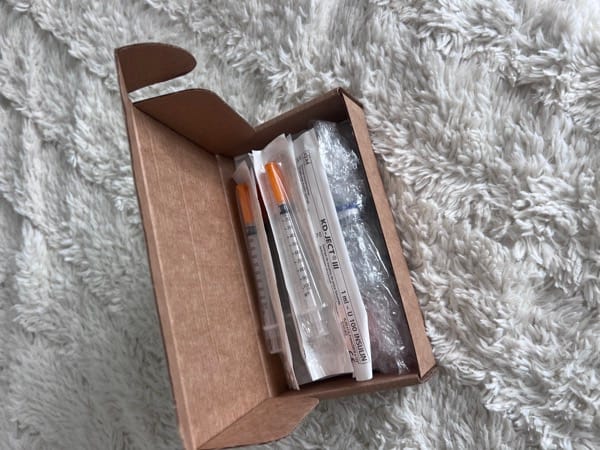
"Unbelievable shipping speed to Europe. The vials were packaged with extreme care. Purity is clear and absolutely pristine."
The energy levels and fat loss I've experienced on this are incredible. Far better results than I had with Tirzepatide.
This peptide broke my 6-month weight loss plateau. I have zero food noise and feel amazing all day long.

"My package arrived in Germany just 3 days after ordering. The vials are vacuum sealed and protected with thick bubble wrap. Reconstitutes crystal clear."
Very impressed with the shipping speed and the product quality. The metabolic benefits were noticeable almost immediately.
I switched to Retatrutide and the appetite suppression is on another level. Dropped the stubborn weight I couldn't lose before.
I've tried other vendors for peptides but the quality here is top tier. Shipping was fast and the product is perfectly clear.
"Unbelievable shipping speed to Europe. The vials were packaged with extreme care. Purity is clear and absolutely pristine."
The energy levels and fat loss I've experienced on this are incredible. Far better results than I had with Tirzepatide.
This peptide broke my 6-month weight loss plateau. I have zero food noise and feel amazing all day long.
"My package arrived in Germany just 3 days after ordering. The vials are vacuum sealed and protected with thick bubble wrap. Reconstitutes crystal clear."
Very impressed with the shipping speed and the product quality. The metabolic benefits were noticeable almost immediately.
I switched to Retatrutide and the appetite suppression is on another level. Dropped the stubborn weight I couldn't lose before.
I've tried other vendors for peptides but the quality here is top tier. Shipping was fast and the product is perfectly clear.
"Unbelievable shipping speed to Europe. The vials were packaged with extreme care. Purity is clear and absolutely pristine."
The energy levels and fat loss I've experienced on this are incredible. Far better results than I had with Tirzepatide.
This peptide broke my 6-month weight loss plateau. I have zero food noise and feel amazing all day long.
"My package arrived in Germany just 3 days after ordering. The vials are vacuum sealed and protected with thick bubble wrap. Reconstitutes crystal clear."
Very impressed with the shipping speed and the product quality. The metabolic benefits were noticeable almost immediately.
"I switched to Retatrutide and the appetite suppression is on another level. Dropped the stubborn weight I couldn't lose before."
"I've tried other vendors for peptides but the quality here is top tier. Shipping was fast and the product is perfectly clear."
"Unbelievable shipping speed to Europe. The vials were packaged with extreme care. Purity is clear and absolutely pristine."
This interesting neuropeptide gets its name from animal research, when it was found to be able to induce deep sleep in rabbits. However, science is particularly interested in it because of its many physiological, endocrine and modulatory effects, such as its ability to alter corticotropin levels, inhibit somatostatin secretion, normalize blood pressure, reduce stress, influence sleep rhythms, or chronic pain perception. It even appears that it could find future application in the treatment of depression or cancer. Studies have found that DSIP can be classified as peptide neuromodulator. By activating special receptors in hypothalamus and brainstem it can influence the regulation of the sleep cycle resulting in enhancing deep sleep and minimizing insomnia and anxiety.
The sleep inducing effects of DSIP were studied in numerous researches, which sometime were coming with different conclusions. The experts think that this problem may have arisen due to current testing methodologies where EEG measures of sedation are not based on natural but on pharmacological sedation. However, intravenous administration of synthetic DSIP in 6 middle-aged human chronic insomniacs with disturbed sleep brought very good results, as longer sleep, higher quality with fewer interruptions and slightly more REM sleep. Therefore, this study showed that DSIP can normalize human sleep regulation.
These perhaps most significant findings regarding DSIP have been confirmed in other studies, which have shown that DSIP improves sleep structure and efficiency, and reduces sleep latency in chronic insomnia compared to placebo. Thus, overall, polysomnographic studies indicate greater sleep efficiency with DSIP administration, it has probably not major therapeutic benefit on short-term treatment of chronic insomnia.
It is obvious, that the neuropeptide is definitely somehow related to sleep onset. Numerous subjective indicators from research on DSIP effects in humans suggest that the peptide does indeed promote sleep, inducing feelings of drowsiness, increasing sleep by 59% within a 130-min interval after the treatment, as compared to placebo, and shortening sleep onset as well. However, these subjective findings are contradicted by EEG analyses, which in contrast revealed no apparent sedation in the classic pharmacologic way. DSIP in humans can thus sustain natural sleep functions, and is well tolerated, with no obvious side effects observed.
[1] - [4]
Alternative options for the treatment of chronic pain are indeed of a very urgent medicine interest. A preclinical pilot study in human patients with chronic pain episodes found, that DSIP significantly reduced pain perception, also improved mood by reduction of depressive states, and that it may potentially benefit patients with physiological addiction on pain medications, as it helps to reduce withdrawal symptoms that occurs after discontinuation of long-term analgesic treatment. Experimental results showed a modulation interaction of DSIP with endogenous opioid-peptidergic systems and exogenous intracerebrally or systemically administered morphine and amphetamine. This encouraged the research for a possible action of the peptide in humans suffering from chronic pronounced pain episodes. 7 patients with migraine episodes and vasomotor headaches, chronic tinnitus and psychogenic pain attacks were studied, and after intravenous administration on 5 consecutive days followed by 5 injections every 48-72 h, DSIP lowered the pain levels of 6 out of 7 patients significantly.
Although both DSIPs and opioid drugs act on the same receptors in the CNS, as has been found in research in rat models, there is as yet no indication at all that the administration of DSIPs causes a similar addiction. These results show that DSIP produces an antinociceptive effect by acting at the supraspinal level. This effect is mediated via the opioid receptor, either directly or indirectly. DSIP may thus play an important role in pain regulation in the central nervous system.
[5], [6]
DSIP has been shown to restrict stress-induced changes in mitochondrial monoamine oxidase type A (MAO-A) and serotonin levels. Metabolic effects of DSIP under hypoxia stress were investigated in rats subjected to short-term hypoxic conditions. These findings led to the investigation of the mechanism by which DSIP may alter mitochondrial activity in a hypoxic environment, suggesting that the peptide could also have an effect on the course of depression. Given the strong link between sleep function and depressive states, this peptide, which appears to help regulate the sleep cycle, could also play a role in the onset of depression.
Patients suffering from major depression had reduced levels of immunoreactive DSIP compared to control subjects, as shown in cerebrospinal fluid (CSF) analysis. However, no one has yet conducted trials where they have attempted to treat depression by normalizing DSIP levels. Reduced CSF concentrations have been described in patients with schizophrenia. The peptide is associated with changes in the hypothalamic-pituitary-adrenal axis, and this may play role in suicidal patients with major depressive disorder with altered DSIP-like immunoreactivity levels. It seems, that DSIP passes the blood-brain barrier more easily than many other neuropeptides.
[8] - [11]
Neuromodulatory DSIP could help to compensate pathological metabolic damage in various animal species and humans, that is caused by oxygen deprivation in the body, preserving normal mitochondrial function and protecting tissue until proper blood flow is restored. That DSIP reverses stress-induced metabolic disturbances, was suggested by research conducted in rats. Thus, it can be hypothesized that the ability of DSIP to maintain efficiency of oxidative phosphorylation, even in the setting of hypoxia, could make the peptide a useful therapeutic agent for conditions such as stroke and heart attack in the future research.
DSIP could be a very potent antioxidant because it reduces free radical production by preserving normal mitochondrial function. The revealed capacity of DSIP to increase the efficiency of oxidative phosphorylation found in vitro experiments could contribute to understanding pronounced stress protective and antioxidant action of this peptide in vivo.
[7]
Peptide may further have a substantial benefit in the reduction and treatment of withdrawal symptoms from opiate and alcohol addictions, which has been supported by the results of studies in animals conducted by Tissot and the fact, that DSIP possesses an agonistic activity on opiate receptors. Complete disappearance or significant improvement of withdrawal symptoms was confirmed by 97% of alcohol-addicted patients and 87% of opiate-addicted patients in clinical study of 107 patients treated via DSIP. Anxiety, however, was slower to decrease, and opioid withdrawal required more DSIP injections over a longer period of time. Good was also the tolerance, except of few headaches reported.
[12], [13]
As a clinical study done in mice suggests, DSIP may have a better effect on cancer prevention or treatment than any vaccine or medicines tested till today. Treated female mice that were given DSIP from three months of age until they died, for 5 consecutive days each month, showed a 2.6-fold decrease in tumor development and a 22.6% lower frequency of chromosomal defects in the bone marrow cells; it did not influence mean life span; and it increased by 17.1% life span of the last 10% of the survivors and by 24.1% maximum life span in comparison with the control group.
DSIP is also being tested as an adjuvant against cancer. A recent study suggests that DSIP may correct or even prevent CNS changes that are side effects with chemotherapy. Children undergoing chemotherapy treatment are particularly vulnerable in this regard. These may include, for example, impaired motor control, behavioral changes such as depression and language problems. The selective effects of DSIP on the blood supply to the brain explain at least part of this effect. Indeed, DSIP and its alternative preparation Deltaran significantly increase blood supply during CNS stress such as chemotherapy or even ischemia. Rats with cerebral ischemia given Deltaran survived 100% of the time compared to 62% in the control sample. The study in mice also found that treatment with Deltaran significantly decreased total spontaneous tumor incidence (by 2.6-fold), mainly mammary carcinomas and leukemias as compared with the control group. This was by the way the first report on geroprotector and anticarcinogenic effect of DSIP-containing preparation Deltaran.
[14] - [16]
Where and how DSIP is synthesized is not yet known. The peptide's primary function may not ultimately be sleep at all, although it is most closely associated with sleep cycle regulation, because DSIP levels are the same in CNS tissues as in peripheral tissues, suggesting that the peptide may also be formed outside the CNS. It has several physiological effects, such as modification of heart rate, blood pressure, pain threshold and some lymphokine system functions.
Just as growth hormone regulates not only bone and muscle growth but has much broader functions, DSIP may be a hypothalamic hormone regulating more than just the sleep cycle. Thus, it seems that DSIP may indeed play a role in altering physiology in preparation of the body for sleep, as some of it effects occur before neurological and behavioral signs of sleep.
DSIP contributes to hypertrophy and hyperplasia in skeletal muscle by inhibiting somatostatin, a protein that is produced in muscle cells and acts on muscle growth. The inhibition of somatostatin by DSIP has been found by a separate study, thus leading to the speculation that this peptide might have larger and more universal functions regarding human physiology than just primary sleep promotion, for which the direct inhibitory effects of somatostatin are more than peculiar.
[17], [18]
“The influence of synthetic DSIP (delta-sleep-inducing-peptide) on disturbed human sleep | SpringerLink.” [Online]. Available: https://link.springer.com/article/10.1007%2FBF01971753. [Accessed: 25-Jun-2019].
“Effects of delta-sleep-inducing peptide on 24-hour sleep-wake behaviour in severe chronic insomnia. - PubMed - NCBI.” [Online]. Available: https://www.ncbi.nlm.nih.gov/pubmed/3622582. [Accessed: 25-Jun-2019].
“Effects of delta sleep-inducing peptide on sleep of chronic insomniac patients. A double-blind study. - PubMed - NCBI.” [Online]. Available: https://www.ncbi.nlm.nih.gov/pubmed/1299794. [Accessed: 25-Jun-2019].
“Acute and delayed effects of DSIP (delta sleep-inducing peptide) on human sleep behavior. - PubMed - NCBI.” [Online]. Available: https://www.ncbi.nlm.nih.gov/pubmed/6895513. [Accessed: 25-Jun-2019].
“Therapeutic effects of delta-sleep-inducing peptide (DSIP) in patients with chronic, pronounced pain episodes. A clinical pilot study. - PubMed - NCBI.” [Online]. Available: https://www.ncbi.nlm.nih.gov/pubmed/6548970. [Accessed: 25-Jun-2019].
“Potent antinociceptive effect of centrally administered delta-sleep-inducing peptide (DSIP). - PubMed - NCBI.” [Online]. Available: https://www.ncbi.nlm.nih.gov/pubmed/2853064. [Accessed: 25-Jun-2019].
“Delta sleep inducing peptide (DSIP): effect on respiration activity in rat brain mitochondria and stress protective potency under experimental hypo... - PubMed - NCBI.” [Online]. Available: https://www.ncbi.nlm.nih.gov/pubmed/12668217. [Accessed: 25-Jun-2019].
“Effects of delta-sleep inducing peptide (DSIP) and some analogues on the activity of monoamine oxidase type A in rat brain under hypoxia stress. - PubMed - NCBI.” [Online]. Available: https://www.ncbi.nlm.nih.gov/pubmed/7628639. [Accessed: 25-Jun-2019].
“Decreased concentrations of delta-sleep inducing peptide in plasma and cerebrospinal fluid from depressed patients: Nordisk Psykiatrisk Tidsskrift: Vol 39, No sup11.” [Online]. Available: https://www.tandfonline.com/doi/abs/10.3109/08039488509101959. [Accessed: 25-Jun-2019].
“Delta sleep-inducing peptide (DSIP): An overview of central actions and possible relationship to psychiatric illnesses: Nordisk Psykiatrisk Tidsskrift: Vol 42, No 2.” [Online]. Available: https://www.tandfonline.com/doi/abs/10.3109/08039488809103215. [Accessed: 25-Jun-2019].
“High delta sleep-inducing peptide-like immunoreactivity in plasma in suicidal patients with major depressive disorder. - PubMed - NCBI.” [Online]. Available: https://www.ncbi.nlm.nih.gov/pubmed/9606527. [Accessed: 25-Jun-2019].
“Opioid detoxification with delta sleep-inducing peptide: results of an open clinical trial. - PubMed - NCBI.” [Online]. Available: https://www.ncbi.nlm.nih.gov/pubmed/9617990. [Accessed: 25-Jun-2019].
“DSIP in the treatment of withdrawal syndromes from alcohol and opiates. - PubMed - NCBI.” [Online]. Available: https://www.ncbi.nlm.nih.gov/pubmed/6548969. [Accessed: 25-Jun-2019].
“Effect of delta-sleep inducing peptide-containing preparation Deltaran on biomarkers of aging, life span and spontaneous tumor incidence in female ... - PubMed - NCBI.” [Online]. Available: https://www.ncbi.nlm.nih.gov/pubmed/12782416. [Accessed: 25-Jun-2019].
A. B. Sinyukhin, G. P. Timoshinov, V. A. Kornilov, and P. D. Shabanov, “P.7.a.006 Delta sleep-inducing peptide analogue corrects the CNS functional state of children treated with antiblastomic therapy,” Eur. Neuropsychopharmacol., vol. 19, pp. S681–S682, Sep. 2009.
E. V. Koplik et al., “Delta sleep-inducing peptide and Deltaran: potential approaches to antistress protection,” Neurosci. Behav. Physiol., vol. 38, no. 9, pp. 953–957, Nov. 2008.
“DSIP--a tool for investigating the sleep onset mechanism: a review. - PubMed - NCBI.” [Online]. Available: https://www.ncbi.nlm.nih.gov/pubmed/3286557. [Accessed: 25-Jun-2019].
“[DSIP: the sleep peptide or an unknown hypothalamic hormone?]. - PubMed - NCBI.” [Online]. Available: https://www.ncbi.nlm.nih.gov/pubmed/7817664. [Accessed: 25-Jun-2019].
3rd party test results
Sterile bacteriostatic water for safe, multi-use peptide reconstitution.
The original blockbuster GLP-1 — proven, trusted, and highly effective.
Dual GIP/GLP-1 agonist — the most powerful fat-loss peptide on the market.